
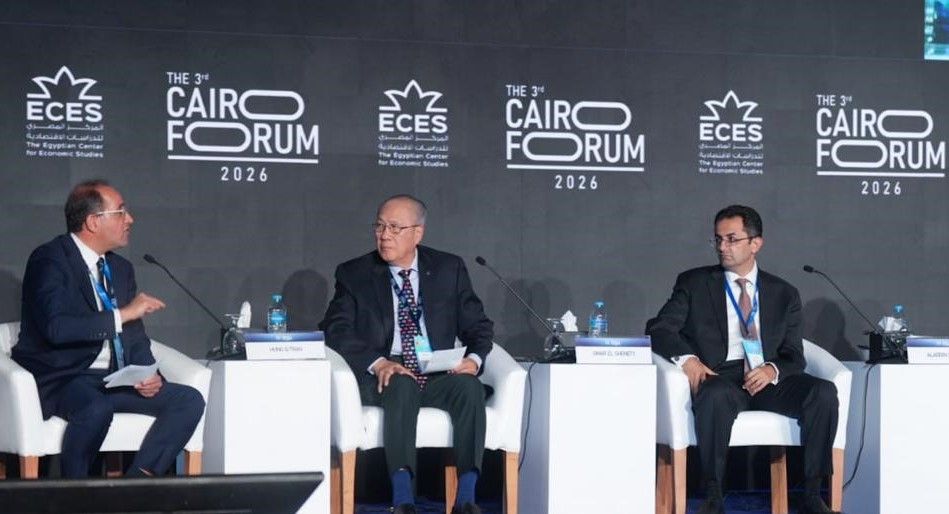
Kouchouk at Cairo Forum 2026: Egypt Presses Ahead with Economic and Fiscal Reforms to Strengthen Resilience, Stability and Sustainable Growth
Finance Minister stresses the importance of diversifying financing instruments and giving emerging economies a stronger voice in the global financial system
Finance Minister Ahmed Kouchouk reaffirmed Egypt’s commitment to advancing economic and fiscal reforms to strengthen economic resilience, reinforce stability and achieve sustainable growth. Reforms implemented so far have helped improve public financial management and contain potential risks, he said.
Speaking at a panel discussion during Cairo Forum 2026, Kouchouk said Egypt is working with international financial institutions to strengthen partnerships with the private sector and increase investment flows. These efforts go hand in hand with diversifying financing sources and instruments to offer broader, more flexible options and attract new groups of investors.
The Ministry of Finance is seeking to expand its base of investors interested in long-term bonds, he added. Swapping part of the country’s debt for investment can help ease financing burdens and channel resources towards development priorities. Kouchouk also highlighted Egypt’s positive experience with green bond issuance and its ambition to make greater use of sustainable financing instruments.
Global market volatility and declining financing flows are exacerbating debt risks and pressures on emerging economies, the minister said. He called on international financial institutions and multilateral development banks to provide local-currency financing to emerging markets, helping ease financing burdens and reduce exposure to exchange rate volatility.
Kouchouk stressed that the global financial system does not treat emerging and developing economies fairly, underscoring the need for these countries to have a meaningful and influential voice in shaping international financial policies and decisions.
Egypt supports efforts by emerging economies to establish a fair international tax system that strengthens national revenues for the benefit of their people, he said. He also pointed to the establishment of a “Borrowers’ Club for Emerging and Developing Countries” to exchange expertise, coordinate positions and advocate reforms that serve the interests of member countries and their citizens.
Three major structural shifts are shaping the global economy, Kouchouk said: changing international trade rules, rising financing costs and rapid advances in artificial intelligence. Protectionism, he noted, “has become the norm rather than the exception,” while tariff barriers are placing an additional burden on developing countries.
 Next article