
Finance Minister at the African Tax Administration Forum’s Annual Meetings: African tax administrations must unite to tackle global challenges
Tax administrations’ role extends beyond revenue collection to supporting the economy and the business community
We have begun rebuilding trust with taxpayers by simplifying procedures and improving services
Strengthening voluntary compliance and coordinating African efforts are essential to a fairer tax system
Smart tax policy is one of the most effective development tools, driving economic activity and creating jobs
We recommend rolling out smart tax applications across African tax administrations
Our investment in technology has improved taxpayer services, with 3.5 million properties voluntarily registered in 120 days
Tax revenues grew by 27% last year without additional burdens, supported by the business community’s positive response
Rasha Abdel Aal, Head of the Egyptian Tax Authority:
We are building lasting African partnerships to make the most of domestic resources
Digital transformation and workforce development are two key pillars of more efficient tax systems in Africa
Modernising the tax system rests on digital transformation, simpler procedures and greater trust with taxpayers
Coordinated African efforts and the exchange of expertise will help build more efficient tax administrations capable of supporting growth and economic stability
Mary Baine, Executive Secretary of the African Tax Administration Forum (ATAF):
Africa will finance its development through its own efforts, and we have an opportunity to fulfil our ambitions
Thank you for opening Cairo’s doors to Africa’s tax community
Africa will need to double its revenues by 2050 to meet its growing needs
Dr Johnstone Makhubu, Chairperson of the ATAF Council:
Domestic resource mobilisation is Africa’s path to financing its future
Sound leadership builds strong institutions capable of generating sustainable revenues
Our economies and capacities differ; a single model of tax administration cannot be applied across all African countries
Tax revenues alone are not enough; we must build stronger, more efficient and more trusted tax administrations
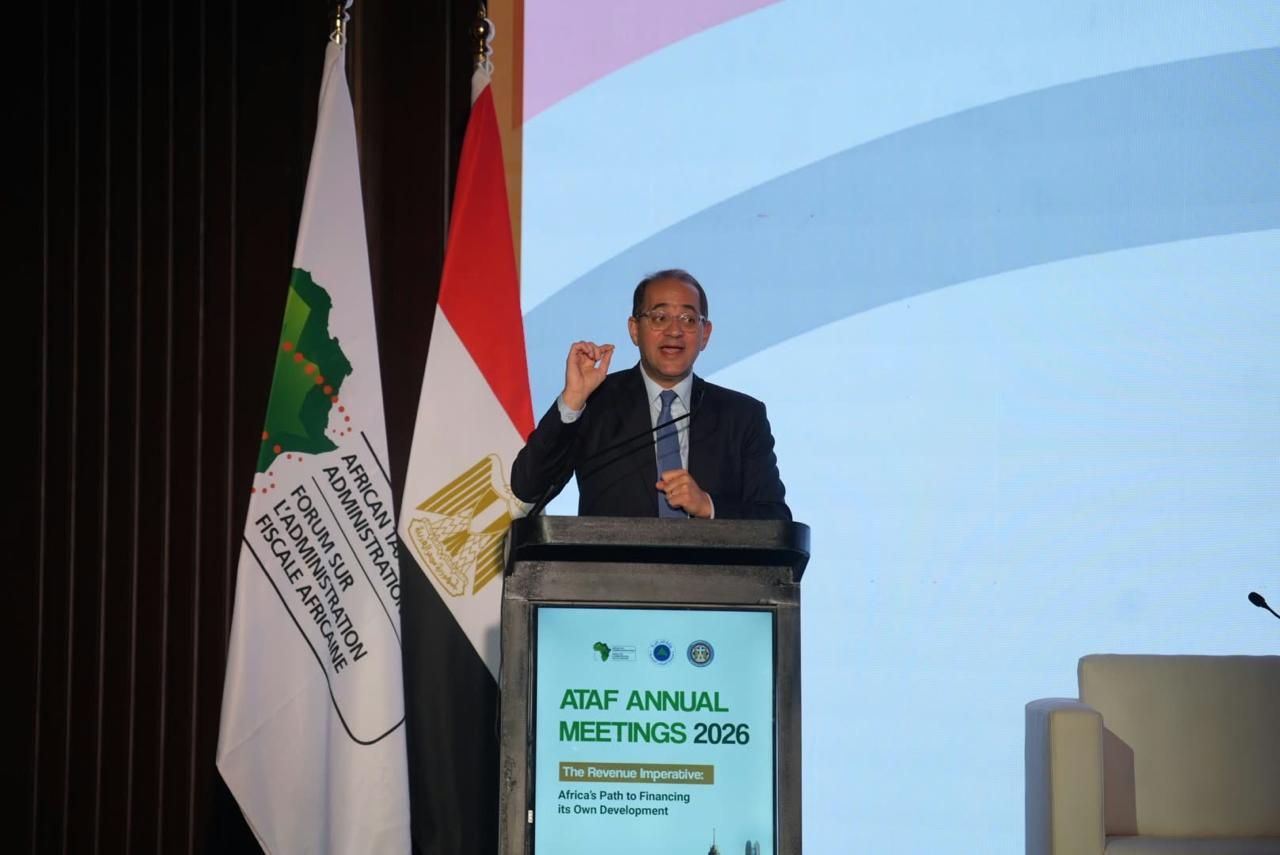
Finance Minister Ahmed Kouchouk said unity among African tax administrations was the only way to address global challenges.
Speaking at the African Tax Administration Forum’s annual meetings, Kouchouk said tax administrations’ role now extended beyond revenue collection to supporting the economy and the business community. “We have begun rebuilding trust with taxpayers by simplifying procedures and improving services,” he said.
The minister stressed the need to strengthen voluntary compliance and coordinate African efforts to build a fairer tax system. Smart tax policy, he said, was one of the most effective tools for development, driving economic activity and creating new jobs.
Kouchouk recommended rolling out smart tax applications across African tax administrations. Egypt’s investment in technology to improve taxpayer services had helped secure the voluntary registration of 3.5 million properties in 120 days, he said. Tax revenues also grew by 27% last year without imposing additional burdens, supported by the business community’s positive response.
Rasha Abdel Aal, Head of the Egyptian Tax Authority, said the authority was working to build lasting African partnerships to make the most of domestic resources. Digital transformation and workforce development, she noted, were two fundamental pillars of more efficient tax systems across Africa.
She added that modernising the tax system rested on digital transformation, simpler procedures and stronger trust with taxpayers. She stressed the need to coordinate African efforts and exchange expertise to build more efficient tax administrations capable of supporting growth and economic stability.
Mary Baine, Executive Secretary of the African Tax Administration Forum (ATAF), said Africa would finance its development through its own efforts and had an opportunity to fulfil its ambitions. She expressed her appreciation for opening Cairo’s doors to Africa’s tax community, noting that the continent would need to double its revenues by 2050 to meet its growing needs.
Dr Johnstone Makhubu, Chairperson of the ATAF Council, said domestic resource mobilisation was Africa’s path to financing its future. Sound leadership, he added, built strong institutions capable of generating sustainable revenues.
“Our economies and capacities differ, and a single model of tax administration cannot be applied across all African countries,” he said. Tax revenues alone were not enough, he stressed; stronger, more efficient and more trusted tax administrations were also essential.
 Next article